ÉCRINS NATIONAL PARKa protected paradise

ÉCRINS NATIONAL PARK

Get away from it all in Les 2 Alpes and set off to discover an unspoilt natural environment!

From the entrance to the Écrins National Park, wind along one of the many hiking trails, take part in a white water activity on the turquoise glacial Vénéon river or stroll along the narrow streets of a mountain village.

Discover

The Écrins National Park

Between the Northern and Southern Alps, the Écrins National Park is one of France’s 10 national parks, located in one of the country’s highest mountain ranges, with more than 150 peaks rising above 3,000 meters.
A region featuring over 740 km of hiking trails, ranging from short family walks to multi-week crossings.

A landscape shaped by glaciers

The current landscape of the Écrins has been largely shaped by glacial erosion. Many glaciers can still be found there, such as the Glacier Blanc and the Glacier Noir, although their surface area is shrinking due to climate change. These glaciers play a vital role in feeding alpine streams and rivers.

A balance between protection and discovery

Both a protected area and a place for exploration, the Écrins National Park is a prime destination for hiking, mountaineering, and wildlife observation. It represents a delicate balance between traditional human activities and the preservation of a unique mountain environment, making it a powerful symbol of the richness and diversity of Alpine landscapes.

An exceptional biodiversity

In the Écrins National Park, mountain wildlife is protected!
Chamois, ibex, wolves, golden eagles, bearded vultures, griffon vultures, owls, alpine ptarmigans, stoats, mountain hares, marmots…

You will also find more than 2,500 plant species, including 40 rare or endangered species.

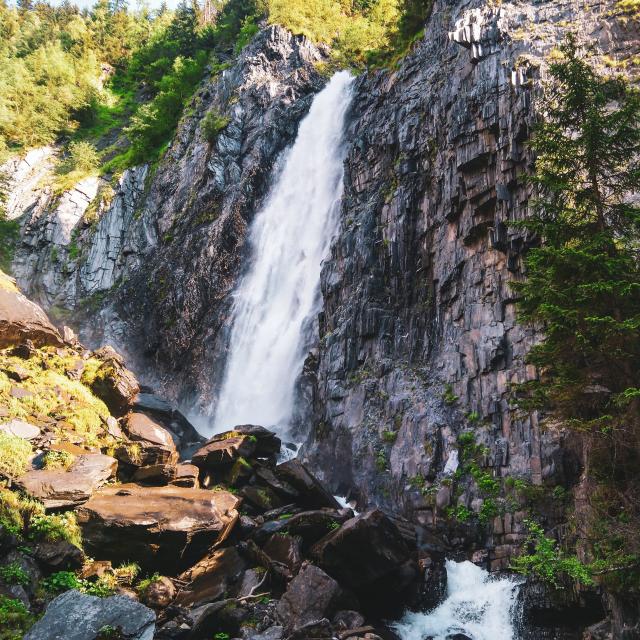
3 Must-Do Hikes Towards Lake Lauvitel!

DISCOVER THE ACCESS

Access to high-altitude lakes is often reserved for experienced hikers, as the trails leading to them can be demanding. Lake Lauvitel is an exception: while it’s not exactly a gentle stroll, its route is one of the most accessible among the Alpine gems perched high in the mountains. From the hamlet of La Danchère, allow around 1 hour and 30 minutes of ascent, alternating between shaded forest sections and more open, rocky stretches.

CHOOSING THE RIGHT GEAR

Forget about sandals or lightweight shoes: a good pair of hiking boots is essential to walk safely and fully enjoy this mountain getaway.


AVOID SWIMMING

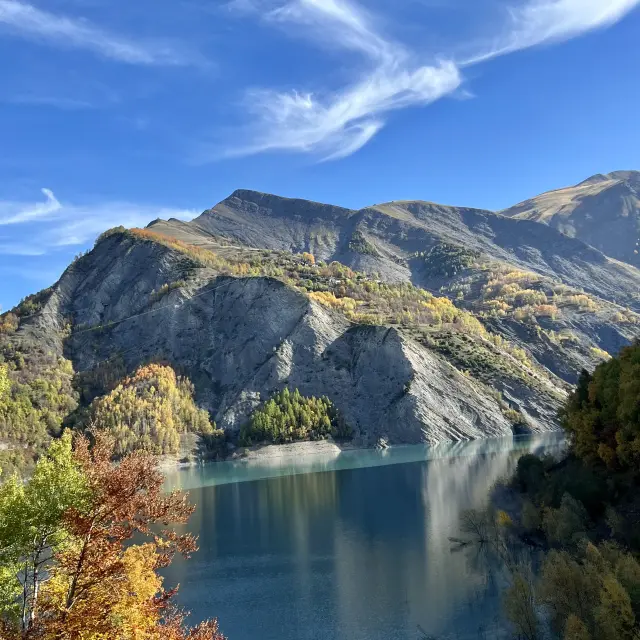
Once you reach the top, the panoramic view is well worth the effort. Let yourself be immersed in the beauty of the lake and take a moment to observe it in silence. Keep in mind, however, that it is a fragile ecosystem: swimming there would disrupt the delicate balance of the aquatic wildlife that makes this site so unique.

CONTINUE YOUR JOURNEY

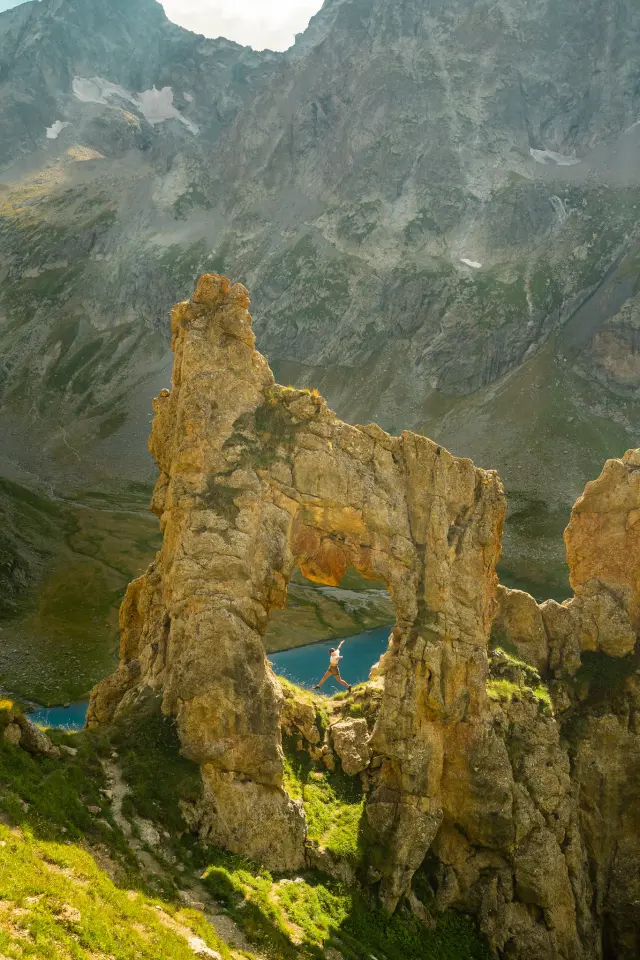
Lauvitel does not necessarily mark the end of your adventure. For those wishing to go further, it serves as a gateway to more ambitious mountain routes. From its shores, experienced hikers can set off toward even wilder horizons, such as Lake Muzelle, perched at 2,115 meters along the GR54 trail, or head to Lake Plan Vianney, nestled at an altitude of 2,269 meters. A wonderful opportunity to turn a simple outing into a true Alpine expedition.

Admire, respect, protect... nature...

How to protect nature and prepare yourself for a great mountain walk.
Adopt the right reflexes too…

Ecrins National Park

ALL ABOUT BIVOUACKING

Together, let’s respect nature

DO YOU KNOW THE DIFFERENCE BETWEEN BIVOUACKING AND CAMPING?

Bivouacking and camping are two ways of sleeping outdoors that are not subject to the same rules.
Camping consists of setting up a tent, caravan, or camper van for several nights in the same place. It takes place in designated areas, such as equipped campsites. Wild camping, which involves setting up a camp outside of a campsite, is most often prohibited or strictly regulated, especially near beaches, in parks, protected areas, or close to monuments.
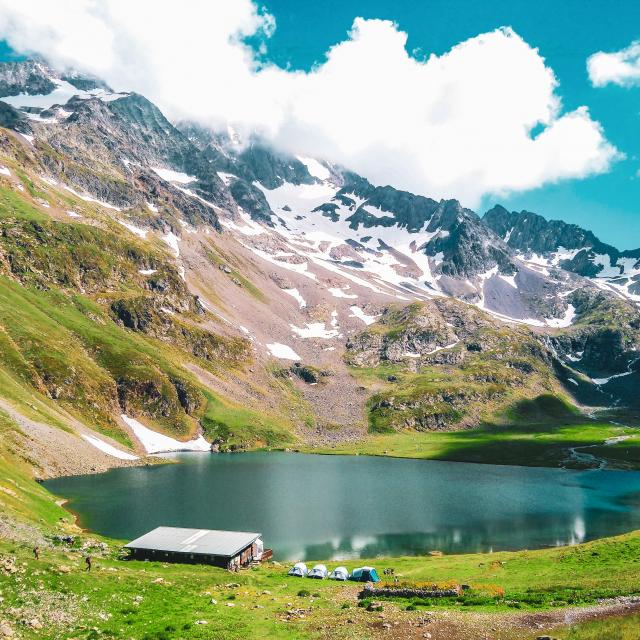
Bivouacking is the act of spending one night outdoors in a temporary and lightweight setup (in a tent where you cannot stand upright), often during a hike. It is a simple, provisional camp for a single night in the same place in the wilderness. It is allowed but regulated in the heart of the Ecrins National Park.

RULES AND GOOD PRACTICES FOR BIVOUACKING
  • Encouraging responsible bivouacking

    Bivouacking is an integral part of the mountain experience.

    Long practiced, it is now experiencing real growth, driven by a desire for nature, freedom, and simplicity. It reflects a growing search for authenticity and connection with nature.

    This trend is positive as long as it remains compatible with the preservation of natural environments, which are often fragile.
    Rules, best practices, and awareness help reconcile this activity with ecological challenges, so that bivouacking remains a sustainable and respectful mountain experience.

    Responsible bivouacking leaves no trace after your stay. All rules and good practices exist for a reason: they help protect fragile areas and ensure their long-term accessibility.

    The return of visitors to the mountains is good news. It is therefore essential to guide and inform you, rather than make you feel guilty. Understanding the reality on the ground also means acknowledging fire traces, litter, abandoned tents, biodiversity loss, crowding in the same areas, climate hazards, etc. Waste, fire marks, habitat degradation, or overuse all help us adopt better behavior.

    Finally, everyone can influence practices. By sharing your experiences, you also help shape the behavior of others.

  • How to properly prepare your bivouac?

    Good preparation is essential for a successful and respectful experience.

    Properly preparing your equipment allows you to immerse yourself respectfully in an exceptional environment. There is no exhaustive equipment list, as gear must be adapted depending on weather, temperature, season, group size, duration, etc. Equipment can also be rented or bought second-hand.

    Getting information before leaving—by calling tourist offices or the Ecrins National Park visitor centers (route, equipment, weather, snow conditions, altitude, etc.)—ensures safety and compliance with local regulations. Information from social media or AI must be verified with official sources.

    Regulations frame the activity to preserve nature. In the heart of the park, bivouacking is allowed under certain conditions (hours, tent type, distance, specific zones). Other areas may also be regulated.

  • Taking action for the planet

    Reduce the impact of your travel.

    Transport often represents the largest share of a mountain trip’s carbon footprint. To reduce it, prioritize soft mobility whenever possible such as walking or cycling, as well as public transport (train, regular or seasonal bus lines), which provide access to many starting points.

    If using a car is necessary, carpooling is an effective way to reduce environmental impact while optimizing travel. These alternatives help preserve natural environments and make your mountain experience more responsible.

  • What behaviors should you adopt in the field?

    Respect nature, wildlife, flora, and all users.

    Choosing your location is essential. Set up in a place that limits your impact, avoiding sensitive areas (riverbanks, wetlands, natural habitats, animal pathways).

    Also respect other users: keep away from herds, huts, and livestock guardian dogs. Near a refuge, always ask the caretaker’s permission.

    Respect authorized bivouac times and zones. Choose a safe spot (stable ground, sheltered from wind, away from risk areas).

    Adopt simple actions: stay discreet, limit noise, do not pick plants, preserve water quality, and respect fire bans. Use a camping stove for cooking and limit night lighting.

    Finally, for natural needs, move away from water sources and carry all waste back down, including toilet paper and hygiene products.

  • What to do when leaving your bivouac site?

    Your goal should be to leave no trace of your presence.

    A successful bivouac disappears at dawn. Carry all your waste back down, even compostable items, which can take a long time to decompose and disrupt ecosystems. If possible, also pick up litter you find along the way.

    Do not abandon any equipment, even small items. Everything you brought up must be taken back down. The mountains must remain intact for both others and nature.

  • How to responsibly share your experience?

    Your posts matter: share them while protecting the mountains!

    Sharing your experience is positive, but it must be done responsibly. Your posts can strongly influence the popularity of certain places.

    Highlight good practices, explain the rules, and show respectful behavior. You can also share the reality of the mountains beyond idealized images to raise awareness.

    Avoid precise geolocation of sensitive sites. Prefer broad locations or explain your choice to remain discreet.

    Respect applicable regulations for published content, especially within the core of the park. Commercial filming is prohibited without authorization, and drone use is forbidden due to its impact on wildlife.

  • What regulations must be followed?

    La réglementation est un cadre qui préserve la nature et maintient l’accès possible aux espaces naturels protégés. En coeur de parc le bivouac est autorisé :

    Regulations are a framework that protects nature and maintains access to protected natural areas. In the heart of the park, bivouacking is allowed:

    • Between 7:00 PM and 9:00 AM
    • At least one hour’s walk from the core boundary or a road access point
    • In a small tent that does not allow standing upright
    • Some sites are allowed within less than one hour’s walk for long-distance hikers (Pré de la Chaumette and Olan refuges).
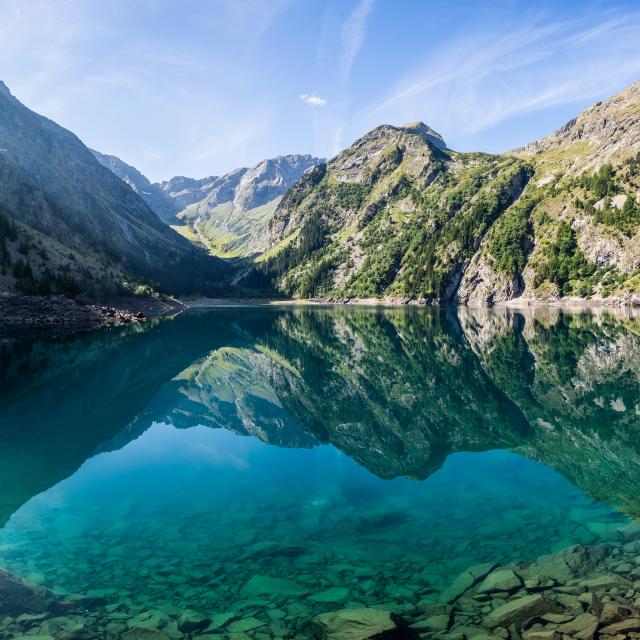
    • Bivouacking is only allowed in designated areas at Lac de la Muzelle and Lac du Lauvitel.
    • The Taillefer and Emparis plateaus are also subject to bivouac regulations.

National Parks, we give you the keys...

... to find out more!

Everything you always wanted to know about what’s allowed in National Parks, but were afraid to ask!

Need to cool off?

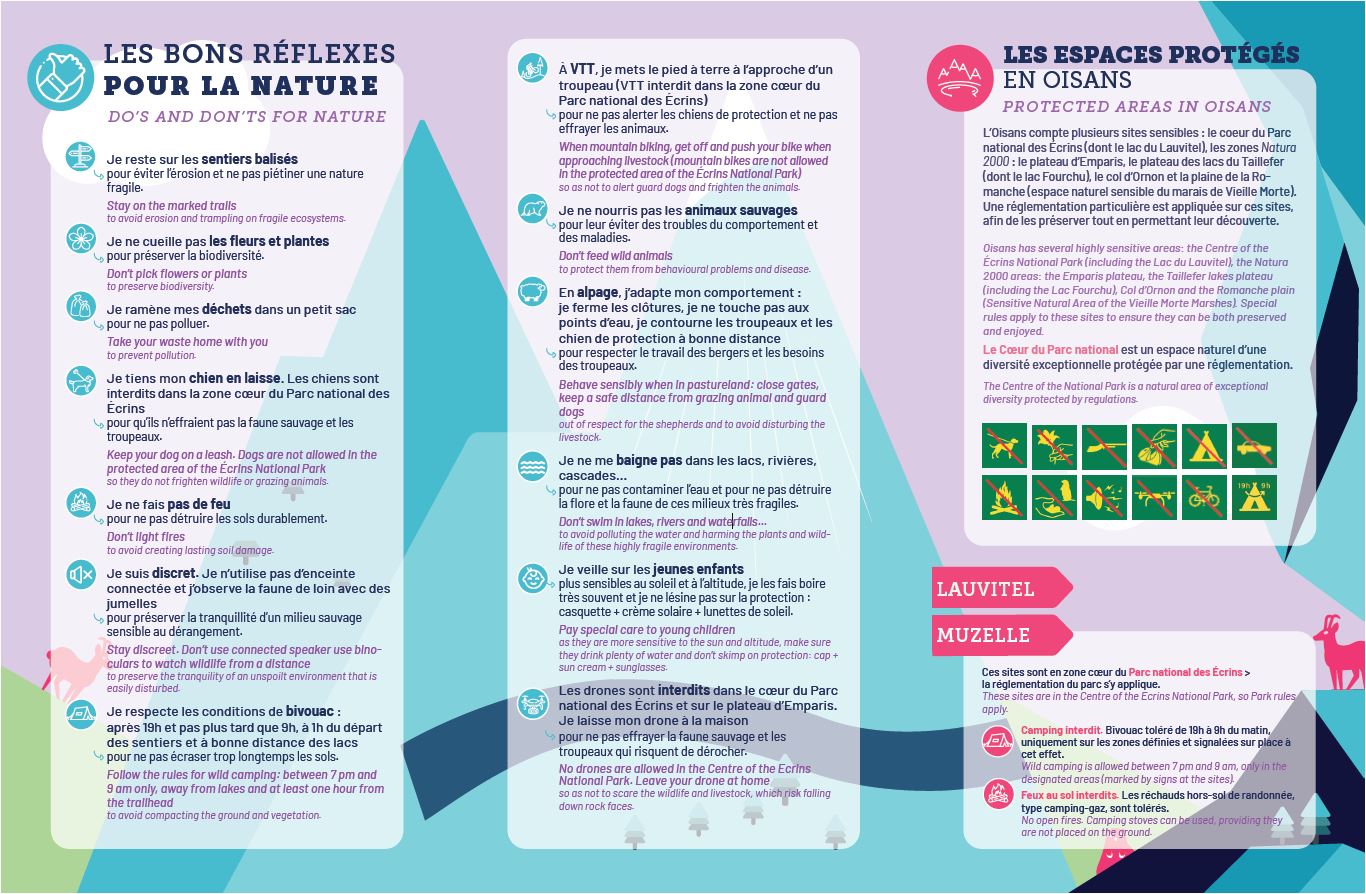
Waterfalls

Lakes

Venosc, a gateway to the Vénéon…

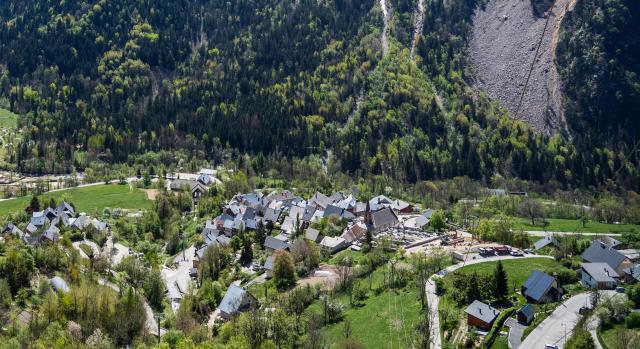
Venosc, a traditional village with its cobbled streets and artisans.

Take part in white water activities on the turquoise Vénéon river: rafting, hydrospeeding, hot dogging…

Petit Village De Venosc Veneon